Portable or standby generator?
Both keep the lights on. Only one keeps a Florida house cool without anyone lifting a finger. Here is an honest look at what each powers, what each asks of you, and what each costs.
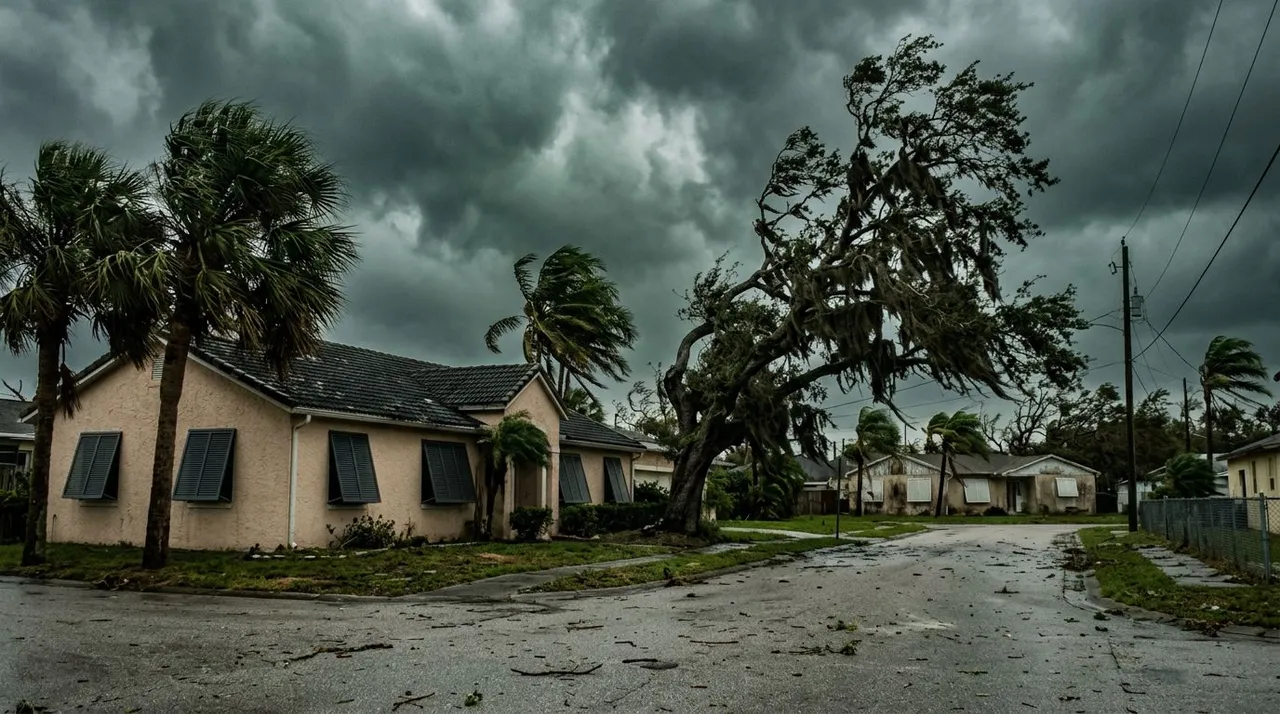
Hurricane Milton, Oct 10, 2024
70,394Marion County electric customers out, 31.3% at the Florida PSC 9 AM report
Or call (352) 780-1430. A licensed installer who serves your area calls back, usually within one business day.
Central air decides it
Free in-home estimate, written price, no obligation.
Get my estimateStart with the one load that matters most in a Marion or Sumter County outage: the central air conditioner. Lights, a TV and phone chargers barely register. A refrigerator, a well pump and an AC compressor are motors, and motors need a burst of extra power for a second or two when they start.
Generac's published wattage table for its portable generators gives typical figures:
- Refrigerator/freezer: 700 running watts, plus 2,200 more to start.
- Well pump, 1/2 HP: 1,000 running watts, plus 2,100 to start.
- Window AC, 12,000 BTU: 3,250 running watts, plus 3,950 to start.
- Central AC, 24,000 BTU (2 tons): 3,800 running watts, plus 4,950 to start.
Add the 2-ton central system's running and starting figures and you get 8,750 watts. That is the full starting rating of Generac's 7,000-watt RS7000 portable, with nothing else plugged in. A larger system draws more, and the table itself says its figures are approximate. The nameplate on your outdoor condenser tells the real number.
So here is the honest version. A mid-size portable can run a refrigerator, a freezer, lights, fans, a well pump and perhaps a window unit, as long as the motors do not all start at once. It usually cannot keep a whole Florida house cool through a July afternoon. A home standby generator is sized to the house, central air included, often with load management to keep big motors from starting together.
If cooling the whole house is the goal, the size of your AC system sets the size of the generator. The sizing tool shows where your house starts.
Who is home when the power goes out
A standby generator starts on its own. It sits on a pad outside, connected to natural gas or propane, and an automatic transfer switch moves the house over to it when utility power fails and back when it returns. Generac's own brochure puts it plainly: it works whether you are home or away. Nobody has to be awake, home or strong enough to do anything. The transfer switch page explains how.
A portable is a job. Someone has to:
- Roll it out of storage. Generac lists its RS7000 at 192 pounds.
- Set it outside, at least 20 feet from the house as the CPSC advises, with the exhaust pointed away.
- Start it, then run cords or plug into an inlet.
- Shut it off, let it cool and refuel it, day and night, for as long as the outage lasts.
That work tends to land on a hot afternoon right after a storm. In Ocala, The Villages and the 55+ communities around them, the person doing it is often a retiree. The CDC says people 65 and older are more prone to heat-related health problems, are more likely to take medicines that affect how the body handles heat, and should spend as much time as possible in cooled indoor spaces. A plan that depends on hauling fuel and cords in August heat has a weak spot built in.
Noise is the other daily difference. One 7,500-watt open-frame Champion portable is rated at 74 dBA at 23 feet. A Generac 22 kW standby is listed at 67 dB(A) at 23 feet in normal operation. Both are audible. The portable is louder, and on a small lot it often ends up close to a bedroom window. The placement and noise page goes deeper.
Carbon monoxide: the risk that comes with a portable
This is the section nobody likes to read, and it is the most important one on the page. A portable generator's exhaust carries carbon monoxide, a gas you cannot see or smell. The Consumer Product Safety Commission says an average of nearly 100 people in the U.S. die each year from CO poisoning from portable generators.
Florida's storms show the pattern. The Florida Department of Health in Flagler County reported that during and after Hurricane Irma in 2017, more than 500 Floridians were poisoned by carbon monoxide, and that 12 of the 14 who died lost their lives to improper portable generator use. After Hurricane Ian in 2022, at least 41 people were poisoned within two weeks, most likely from generators, according to CBS News citing the Tampa Bay Times and the Department of Health.
If you own a portable, these rules come from the CPSC and the National Fire Protection Association:
- Never run it inside a home, garage, basement, crawlspace or shed. Open doors and windows do not make it safe.
- Run it outside, at least 20 feet from the house, with the exhaust pointed away from doors, windows and vents.
- Install CO alarms that run on batteries or have battery backup, on each level and outside sleeping areas, and test them monthly.
- Look for a CO shut-off feature when you buy. The CPSC points to models certified to PGMA G300-2018 and UL 2201.
- If an alarm sounds, get outside right away and call 911.
A home standby generator is mounted permanently outdoors, in a spot that follows the manufacturer's clearance rules. That does not replace CO alarms, which every home with fuel-burning equipment should have. It does take the garage mistake, the one that keeps showing up in Florida's storm reports, off the table.
Hurricane Milton left 70,394 Marion County electric customers without power at the Florida PSC 9 AM report on October 10, 2024, and SECO Energy called restoration essentially complete the following Monday.
Fuel for a five-day outage
Outages after big storms here are measured in days, not hours. Hurricane Milton made landfall on the night of October 9, 2024. By the Florida PSC 9 AM report on October 10, 70,394 Marion County electric customers were without power, about 31% of the county. SECO said restoration was essentially complete the following Monday, October 14, and Duke reported more than 95% restored in Marion and Sumter counties by that day. After Hurricane Ian in 2022, Florida's outages peaked at 2.7 million customers, and the state's public power utilities took up to six days to restore everyone able to take service.
Now the fuel math for a portable. Generac lists its RS7000 at 12 hours on a 7.5-gallon tank at half load. Run around the clock, that is about 15 gallons a day, or roughly 75 gallons over five days, and more if the load is heavier.
Finding that gas is its own problem. The day before Milton arrived, GasBuddy data showed 17.4% of Florida gas stations without fuel, and 25.29% in the Gainesville area.
NFPA's guidance for handling it:
- Store fuel only in containers made for it and labeled as such.
- Keep the containers outside living areas.
- Turn the generator off and let it cool before refueling. Never refuel a hot generator.
A standby generator runs on natural gas from the street or on propane from a tank on your property, so there are no gas cans in the plan and nobody refuels anything in the middle of the night. The natural gas vs propane guide covers both fuels, and the hurricane backup power page covers getting ready before the season.
The middle option: interlock kit or manual transfer switch
Some homeowners want a portable but not extension cords snaking through a cracked window. The middle option is an interlock kit or a manual transfer switch, with an outdoor inlet box. The portable plugs into the inlet with one heavy cord, and selected circuits in your panel run from it. Generac's RS7000, for example, has a 30-amp 120/240-volt twist-lock outlet made for that kind of connection.
The reason for the hardware is backfeed. A generator tied into house wiring the wrong way can send power back out onto the grid. An interlock is a plate on your panel that blocks the main breaker while the generator is in use, so the house cannot be fed from both at once. A manual transfer switch does the same job for a set of chosen circuits. SECO Energy tells members never to connect a generator directly to the home's main fuse box or circuit panel.
This is not a weekend project. NFPA says that if you connect a generator to house wiring, a qualified electrician should install a properly rated transfer switch in line with the National Electrical Code and state and local codes. Whether a permit and inspection are needed, and what they cost, is set by the building department that covers your address: Marion County Building Safety at 352-438-2400, Sumter County Building Services at 352-689-4400, or a city that runs its own department. The generator permits page walks through it.
Be clear about what an interlock does not change. You still roll the generator out, start it, refuel it, keep it 20 feet from the house and decide which circuits it can carry. It solves the cords. It does not solve the work, and it does not make a portable big enough for central air.
Cost, and who should choose which
Published ranges put the two paths far apart:
- Portable generator: about $900 to $1,100 for a 6,500-watt conventional unit from a major manufacturer, per ThePricer (2026).
- Interlock, professionally installed: about $400 to $850 in the same publisher's guide, which puts a manual transfer switch installation at about $400 to $1,300.
- Whole-home standby, installed: typically $7,000 to $15,000, per PowerOutage.us.
Add the first two and a portable with an interlock lands around $1,300 to $2,000 before fuel cans and cords, a fraction of a standby system. That gap is real, and for some households it settles the question.
A portable can be the right answer if someone able-bodied is reliably home during storm season, you can live without central air for a few days, and you will follow the carbon monoxide, 20-foot and fuel storage rules every single time.
A standby is usually the better fit if you are older or caring for someone who is, you travel or spend part of the year away, someone in the house depends on powered medical equipment, you are on a well with animals to water, or keeping the house cool is the whole point. The retirees page goes into that last group.
Not sure yet? Run the sizing tool, then request a free in-home estimate or call (352) 780-1430. One request matches you with a licensed local installer who serves your address and gives you a written number, with no obligation to buy. If a portable turns out to suit you better, that is a fine outcome too. The cost guide explains the standby number line by line.
Straight answers
Free in-home estimate, written price, no obligation.
Get my estimateCan a portable generator run my central air conditioner?
Usually not the whole system. Generac's wattage table puts a 2-ton (24,000 BTU) central AC at 3,800 running watts plus 4,950 more to start, which is 8,750 watts with nothing else on. That equals the starting rating of Generac's 7,000-watt RS7000. Larger systems draw more. The nameplate on your outdoor condenser gives the real figure, and a home standby generator is sized to cover it.
Is it safe to run a portable generator in the garage with the door open?
No. The CPSC says never to run a portable generator inside a home, garage, basement, crawlspace or shed, and that open doors or windows do not provide enough ventilation. Run it outside, at least 20 feet from the house, with the exhaust pointed away, and install battery or battery-backup carbon monoxide alarms on every level.
What is an interlock kit, and can I install one myself?
An interlock is a plate on your electrical panel that blocks the main breaker while a portable generator feeds the house through an outdoor inlet, so power cannot flow back onto the grid. NFPA says a qualified electrician should install transfer equipment in line with the National Electrical Code and local codes. Your local building department decides whether a permit and inspection are required.
How much gas does a portable generator use during an outage?
It depends on the model and load. Generac lists its 7,000-watt RS7000 at 12 hours on a 7.5-gallon tank at half load, which works out to about 15 gallons a day running around the clock. After Hurricane Milton, power in Marion County took several days to restore, so plan for a lot of fuel, stored outside living areas in proper containers.
Is a whole house generator worth it in Florida?
It depends on who lives in the house and what has to keep running. Installed standby systems typically cost $7,000 to $15,000 versus roughly $1,300 to $2,000 for a portable with a professionally installed interlock. The standby starts on its own, runs central air and needs no refueling. For older homeowners, medical needs or well homes, that difference often decides it.
How far from the house should a portable generator be?
The CPSC advises at least 20 feet from the house, with the exhaust directed away from your home and other buildings. Keep it away from doors, windows and vents, never in a garage or other enclosed space, and on a dry surface. Read your generator's manual too, and keep working carbon monoxide alarms inside.