Hurricane backup power
Recent hurricanes left tens of thousands of Marion and Sumter homes dark at once. Here is what happened, and a plan that has your generator running before June 1.
Hurricane Milton, Oct 10, 2024
70,394Marion County electric customers out, 31.3% at the Florida PSC 9 AM report
Or call (352) 780-1430. A licensed installer who serves your area calls back, usually within one business day.
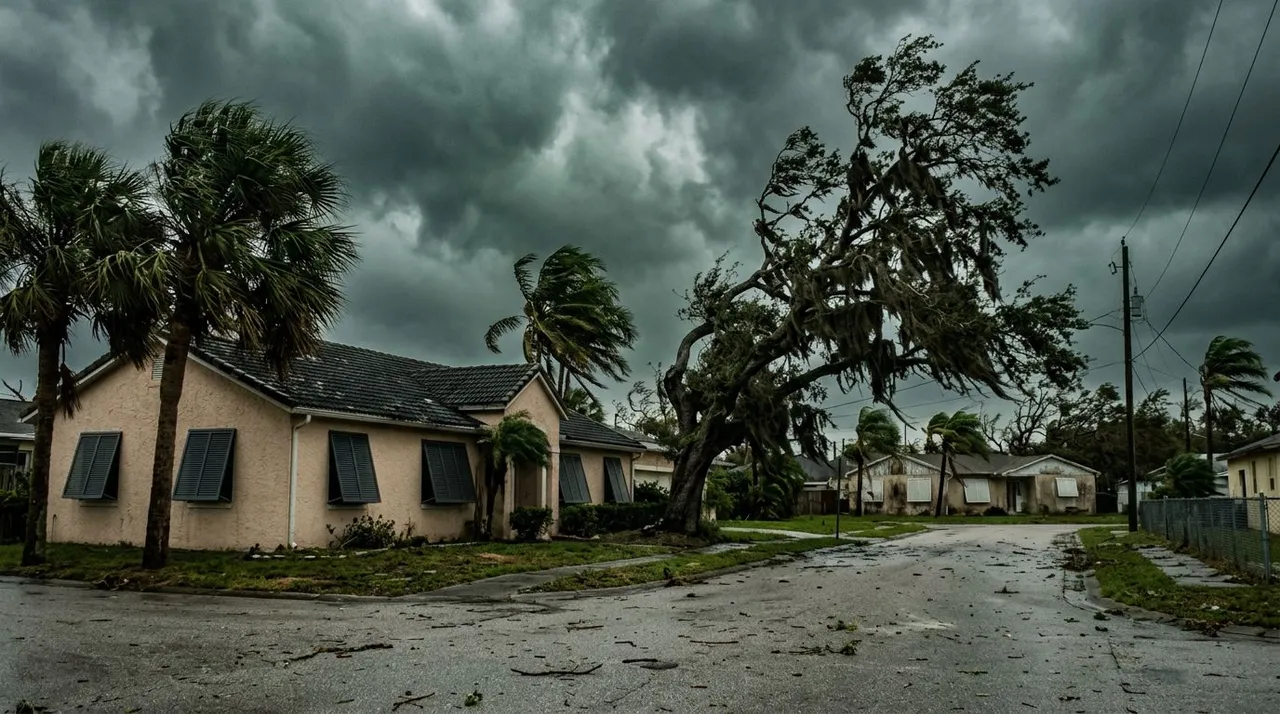
Hurricane Milton left 70,394 Marion County customers without power at the state's 9 AM report on Oct. 10, 2024. The county later reported a peak of about 75,000.
Five storms and what they did to the grid here
- Sept. 10
- approximate peak of hurricane season, which runs June 1 to Nov. 30
- About 75,000
- Marion customers out at Hurricane Milton's peak, per the county
- 41,778
- Marion customers out in Helene, most of any Florida county early on
- 6.7 million
- Florida customers, 64% of the state, lost power in Irma (2017)
Marion County sits well inland, and inland is not the same as safe. Wind, falling oaks and saturated ground take down lines far from the coast. The record from the last decade:
- Irma, September 2017. A Marion County emergency management update showed Duke Energy with about 90% of its Marion customers out, Clay Electric with about 92%, SECO Energy with about 52% and 35,000 Ocala Electric Utility customers dark. Statewide, about 6.7 million customers, 64% of Florida, lost power.
- Ian, September 2022. Marion peaked around 10,843 customers out, about 5.2%.
- Idalia, August 2023. About 4,737 Marion outages by mid-afternoon on landfall day.
- Helene, September 2024. About 41,778 Marion customers out, the most of any Florida county early that day: about 24,797 on Duke, 9,096 on Clay and 6,280 on Ocala Electric.
- Milton, October 2024. 70,394 Marion customers out at the state's 9 AM report on Oct. 10, with the county later reporting a peak of about 75,000. In Sumter County, SECO had 13.9% of its roughly 75,250 customers out the same day.
Two hurricanes in about two weeks in 2024 is the part to remember. One bad season can bring more than one long outage, and the second storm can arrive before you have recovered from the first. Not every outage has a name, either: a thunderstorm on July 11, 2026 left about 3,000 to 3,500 Marion customers without power.
The January phone call beats the October one
After every major storm, demand for standby generators jumps. Everyone who sat in a hot house for three days calls in the same week. Equipment gets scarce, installer calendars fill and permit offices get busy.
In normal times, most projects take four to eight weeks from signed estimate to power on, with one to two days of work at the house. One Florida installer reports timelines stretching to 10 to 12 weeks at peak demand. Call in October and the season may end before you are running. Call in January and you will likely be ready by June 1.
- Winter: free in-home estimate and a written quote.
- Late winter: sign, and your installer files the permits and any HOA or ARC application.
- Spring: install day, inspection and startup.
- Before June 1: confirm the weekly self-test runs and the monitoring app is connected.
The how it works page covers each step in detail, and the cost guide explains the typical $7,000 to $15,000 Florida range.
Gasoline cans versus a gas line
Free in-home estimate, written price, no obligation.
Get my estimatePlenty of households ride out a storm on a portable generator. It can work, but it asks a lot of you at the worst possible moment, and its biggest risk is carbon monoxide, a gas you cannot see or smell.
The CDC's guidance is direct: run a generator outdoors, more than 20 feet from windows, doors and vents, and never inside a home or garage, even with doors and windows open. It also recommends a battery-powered or battery-backup carbon monoxide detector. The full guidance is on the CDC's carbon monoxide page. In practice, a portable means hauling it into the yard in the wind, storing gasoline ahead of time, refueling it and running cords through a cracked door. Never plug one into a wall or dryer outlet to feed the house; that can push power back onto the lines where crews are working.
A standby generator sits permanently on a pad at clearances set by the manufacturer and code; Generac's guidance, citing the NFPA 37 fire code, calls for about 5 feet from windows, doors and vents. It connects through an automatic transfer switch that keeps its power off the utility lines, runs on natural gas or propane, starts by itself within seconds and is installed under permit and inspected. Keep a working CO detector in the house either way.
How many days of fuel you actually have
Natural gas keeps flowing from the utility, so a gas-fed generator has nothing to refill. Propane lives in a tank on your property, and the tank decides how many days you can run. A 22 kW air-cooled unit burns about 2.16 gallons of propane an hour at half load and about 3.67 at full load. Do that math against a week, not a weekend.
Propane deliveries can be slow right after a big storm, so size the tank for a long outage and top it off going into the season. On long runs, maintenance matters too: Generac calls for an oil and filter change every 100 hours in heat above 85 degrees, and a week-long Florida outage passes that mark. The natural gas vs propane guide compares both fuels in detail.
The three days after landfall, with and without backup
Without backup, the pattern is familiar to anyone who sat through Irma or Milton here: the house warms by the hour, the freezer becomes a countdown, the portable needs gasoline you may not be able to buy, and the phones die unless the car is running. Neighbors trade news about which streets have power back.
With a standby generator, the house you walk back into after the wind dies down is cool and lit. The fridge is cold, the well pump or the water heater works, the carbon monoxide risk of a yard generator is not part of your night, and you can offer a neighbor a phone charge and a glass of ice water. The generator keeps running until the utility restores your line, then hands the house back and shuts itself off.
The difference between those two weeks is a decision made months earlier, on a quiet winter afternoon, with a free estimate and a written quote.
A pre-season checklist for the house
- Generator: confirm the weekly self-test runs and the yearly maintenance light is off.
- Fuel: propane tank topped off before June.
- App: Mobile Link or your brand's monitoring connected, so you can check the unit from anywhere.
- CO detector: battery-powered or battery-backed, and tested.
- Medical needs: if anyone relies on powered equipment, register with Florida's Special Needs Registry and read medical equipment backup power.
- Well: if you are on a private well, make sure the pump is on the generator. See well water homes.
No generator yet? Start with the homework: the sizing tool on this page for a size range, and the cost guide for the price range. Then one request reaches a vetted, licensed installer who serves your part of Marion or Sumter County, usually with a call back within one business day. They check your panel, fuel and placement and give you a written quote, with no obligation to buy.
Three steps to power
Without backup, the next named storm means days of heat, a warm fridge and a gasoline generator, in a season that can bring two storms in two weeks.
Free estimate
Winter is ideal: a licensed installer checks panel, fuel and placement, and you get a written quote while schedules are open.
Install day
Early spring, after permits and any HOA approval: one to two days of work at the house.
Power on
Inspection and startup before June 1, then a weekly self-test you can watch from the app all season.
Straight answers
Free in-home estimate, written price, no obligation.
Get my estimateWhat are the official dates of Florida's hurricane season?
The Atlantic hurricane season runs from June 1 to November 30, and the National Hurricane Center puts the peak of activity around September 10. The storms that knocked out the most power in Marion County over the last decade, including Irma, Ian, Idalia, Helene and Milton, all arrived between late August and October.
If I sign today, when will my generator be running?
In a normal stretch, most projects take four to eight weeks from signed estimate to power on, with one to two days of work at the house. After a major storm, demand spikes and timelines stretch; one Florida installer reports 10 to 12 weeks at peak. Signing in winter or early spring is the surest way to be running by June 1.
What makes a portable generator risky after a storm?
Mainly carbon monoxide. The CDC says to run portable generators outdoors, more than 20 feet from windows, doors and vents, never inside a home or garage even with doors open, and to keep a battery-powered carbon monoxide detector. Portables also need stored gasoline and refueling, and plugging one into a wall outlet can send power back onto utility lines.
How long can a standby unit run through a long outage?
On natural gas, as long as the gas utility keeps supplying fuel, with stops for maintenance on very long runs. On propane, run time depends on tank size and load; a 22 kW air-cooled unit burns about 2.16 gallons an hour at half load. Generac calls for an oil change every 100 hours of running in heat above 85 degrees.
How bad were outages in Marion County in recent hurricanes?
During Helene in September 2024, about 41,778 Marion customers lost power, the most of any Florida county early that day. During Milton two weeks later, 70,394 were out at the state's 9 AM report on Oct. 10, and the county reported a peak of about 75,000. In Irma in 2017, about 90% of Duke and 92% of Clay customers in Marion were out.