Backup power for medical equipment
If someone you love relies on an oxygen concentrator, a CPAP or refrigerated medicine, a standby generator keeps that equipment powered through the outage, starting by itself within seconds.
Hurricane Milton, Oct 10, 2024
70,394Marion County electric customers out, 31.3% at the Florida PSC 9 AM report
Or call (352) 780-1430. A licensed installer who serves your area calls back, usually within one business day.
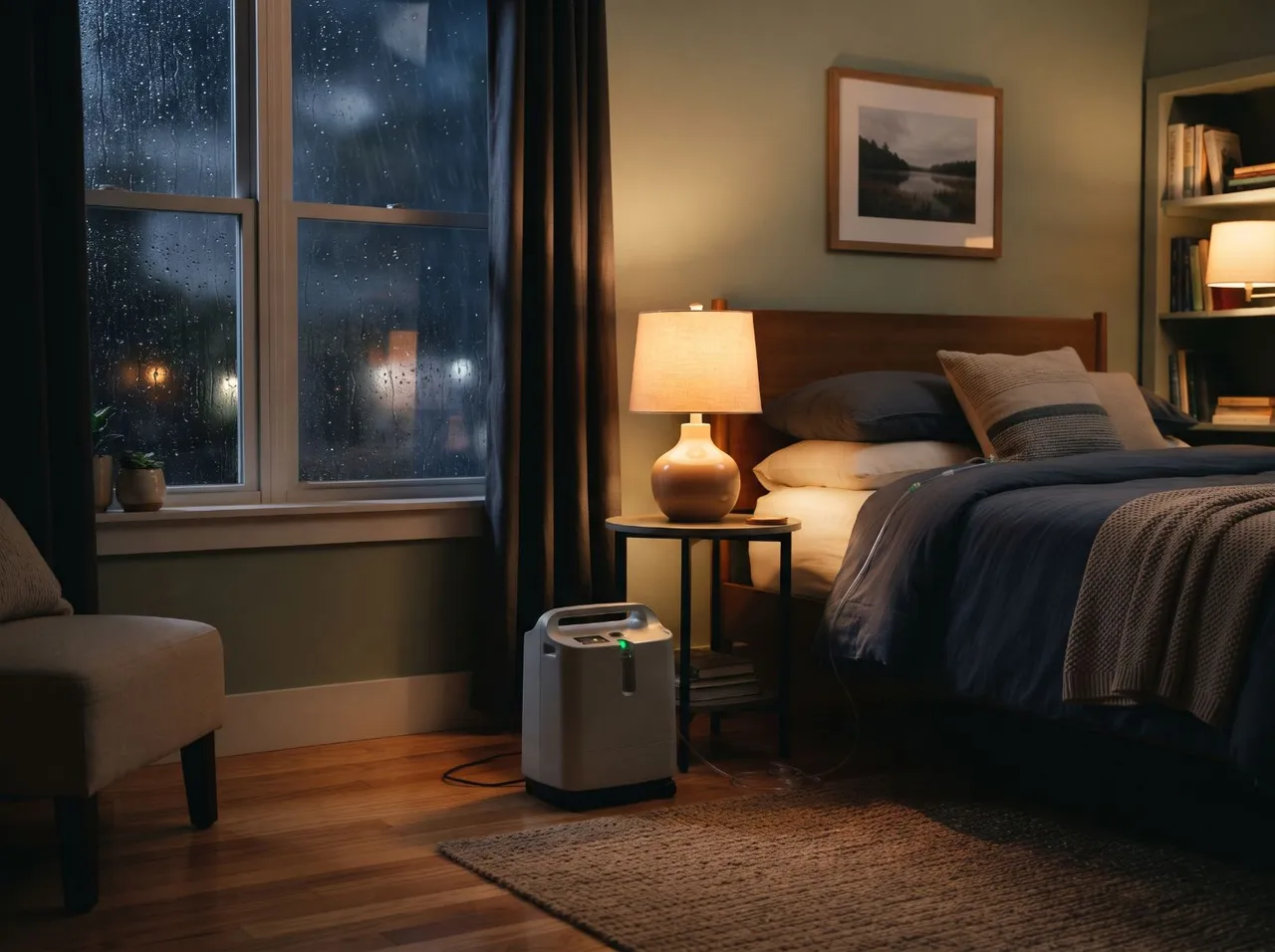
Hurricane Helene left about 41,778 Marion County customers without power in September 2024, the most of any Florida county early that day.
Silence in the bedroom at 2 a.m.
- 100,000+
- Floridians on power-dependent medical equipment, 2015 HHS-data map
- 41,778
- Marion customers out in Hurricane Helene, September 2024
- Within seconds
- how fast a standby generator takes over the house
- ZIP level
- detail of HHS emPOWER's count of power-dependent Medicare users
You know the sound of the concentrator by now: the steady hum and the soft puff of each cycle. When the power fails at night, it is the silence that wakes you. Then comes the flashlight, the backup tank, the math on how many hours are left in it, and the question of whether the roads are even open.
A whole-home standby generator changes that night. It is wired to the house through an automatic transfer switch. When utility power drops, the switch starts the generator and moves the house to it within seconds. No one has to go outside in the storm, pull a cord or carry fuel. When the utility returns, it switches back and shuts itself down.
That matters for the equipment many households here rely on: oxygen concentrators, CPAP and BiPAP machines, powered beds and lifts, chargers for scooters and wheelchairs, and the refrigerator that holds insulin, injectables or eye drops. It also keeps the air conditioning on, and heat can be hard on anyone managing a health condition. This page covers the generator side only. Your doctor and your equipment supplier are the right people for every medical question, and we point you to them along the way.
Bridge the seconds, then cover the days
Be clear-eyed about one detail. Between the moment the utility fails and the moment the generator takes over, there is a short gap. Most household equipment simply comes back on. Some devices do not restart on their own, and some therapies should not pause even briefly.
Ask your doctor and your equipment supplier two questions before hurricane season:
- Does my device have a built-in battery, and how long does it last?
- Do I need a battery backup unit made for this device to cover the switchover?
The combination works well: a small battery covers the seconds and the generator covers the days. Keep any backup oxygen your supplier provides, too. A generator is one layer of the plan, not a replacement for the rest of it.
When you request an estimate, mention the equipment in the notes. The installer will want to know which rooms and outlets it uses, so those circuits are covered no matter which transfer switch you choose.
Three lists to be on before June 1
Free in-home estimate, written price, no obligation.
Get my estimateFlorida's Special Needs Registry
The Florida Division of Emergency Management lists the Special Needs Registry as a way for people with disabilities and other special needs to plan ahead, so local emergency managers know who may need help in a disaster. Sign up through FloridaDisaster.org, and ask Marion or Sumter County emergency management how the registry is used where you live.
Your electric utility
Call your utility, whether that is Ocala Electric Utility, Duke Energy Florida, SECO Energy or Clay Electric, and ask whether it keeps a list of customers who rely on medical equipment and what that list does and does not do. No utility can promise to restore a particular home first after a hurricane. Restoration follows the damage.
HHS emPOWER
You do not sign up for this one. The U.S. Department of Health and Human Services emPOWER program uses Medicare data to show emergency planners how many beneficiaries rely on electricity-dependent equipment, down to the ZIP code. A 2015 map built from that data counted more than 100,000 Floridians in that situation. You are far from alone in planning for this.
The bedroom circuit, the fridge circuit and the fuel
Medical equipment is usually a small electrical load next to central air or a well pump. The rest of the house sets the generator's size. What matters for a medical household is that the equipment never competes with anything else for power.
- Whole-house coverage with load management keeps every outlet live and staggers big loads, such as a second air conditioner, so the generator never overloads.
- A 16-circuit essentials switch can cost less. It works if the bedroom, the medical outlets and the refrigerator are on the list, so label them in the panel before the estimate.
Fuel decides how long the plan holds. Natural gas keeps flowing from the utility, with nothing to refill. Propane is stored in a tank on your property, so size it for a multi-day outage and keep it full going into the season. The natural gas vs propane guide compares the two. The sizing tool on this page opens with essentials and medical equipment already ticked; add your air conditioning to see a starting range, and read the generator sizing guide for the reasoning behind it.
Caring for a parent from across town
Many people reading this are not the patient. You are the daughter in Gainesville or the son in Orlando whose father in The Villages or On Top of the World sleeps with a CPAP, and you spend every storm refreshing the outage map and calling a phone that may be dead.
A standby generator takes the most fragile step out of the plan: nobody at the house has to start anything. Generac Guardian units ship with free Mobile Link Wi-Fi monitoring, so whoever holds the app login can see from anywhere that the generator started, ran its weekly self-test or needs service. It will not tell you how your parent is doing, so keep the phone tree and a neighbor's number, but it answers the first question quickly.
If you are arranging this for a parent, you can make the request yourself and join the estimate visit by phone. Bring the list of devices and the answers from the supplier, and the installer handles the panel, the permits and any HOA application.
Start in the quiet months
Hurricane Helene put Marion County at the top of Florida's outage counts in September 2024, with about 41,778 customers out early that day. About two weeks later, Hurricane Milton left 70,394 Marion customers without power at the state's 9 AM report on Oct. 10. After storms like those, everyone calls at once and timelines stretch.
In normal times, most projects take four to eight weeks from signed estimate to power on, with one to two days of work at the house. Typical Florida installs run about $7,000 to $15,000; the cost guide explains what moves the number. For a household that depends on powered equipment, the off season is the time to get it done.
One request on this page reaches a vetted, licensed installer who serves your address. Expect a call back, usually within one business day, then a visit, a written quote and no pressure to sign. If you live in a 55+ community, the retirees page covers the HOA approval step.
Three steps to power
Without backup, a long outage leaves a concentrator on its backup tank, a CPAP dark and insulin warming while the whole region waits for line crews.
Free estimate
Tell the installer every device, the outlet it uses and which medicines need the fridge. They check the panel and fuel and put it in writing.
Install day
One to two days of work. Power is off for part of it, so plan those hours with your supplier's backup in hand.
Power on
Startup and a test run, so you see the bedroom outlets and the refrigerator come back before the next storm does.
Straight answers
Free in-home estimate, written price, no obligation.
Get my estimateWill my oxygen concentrator keep running when the power goes out?
Once the generator takes over, yes. A standby generator starts by itself and powers the house within seconds of an outage, then runs for as long as the outage lasts. Because there is a short gap during the switchover, ask your doctor and your equipment supplier whether you need a battery backup or backup oxygen to cover those seconds.
Do CPAP machines come back on by themselves after a blackout?
Some resume when power returns and some do not. Your device manual or your equipment supplier can tell you which kind you have. A battery backup made for your machine can bridge the few seconds before the generator takes over, so therapy continues without a restart. That is a question for your supplier rather than your generator installer.
How do I sign up for Florida's Special Needs Registry?
The Florida Division of Emergency Management links to the registry from FloridaDisaster.org, on its page for people with disabilities and other special needs. The registry helps local emergency managers know who may need help in a disaster. Your county emergency management office in Marion or Sumter can explain how it is used where you live.
Does telling my electric company about medical equipment get my power back sooner?
Do not count on it. Ask your utility whether it keeps a list of customers who rely on medical equipment and what that list actually does. After a major hurricane, restoration follows the damage to the grid, and no utility can promise that one household comes back first. That gap is the reason many families add a standby generator.
Can a smaller generator just run the medical equipment?
The equipment itself draws little power, so an essentials setup with a 16-circuit transfer switch can cover it, along with the refrigerator and some lights. The catch is heat: most families also want at least one air conditioner, and that load drives the size. Your installer weighs both at the free estimate and shows you the options in writing.